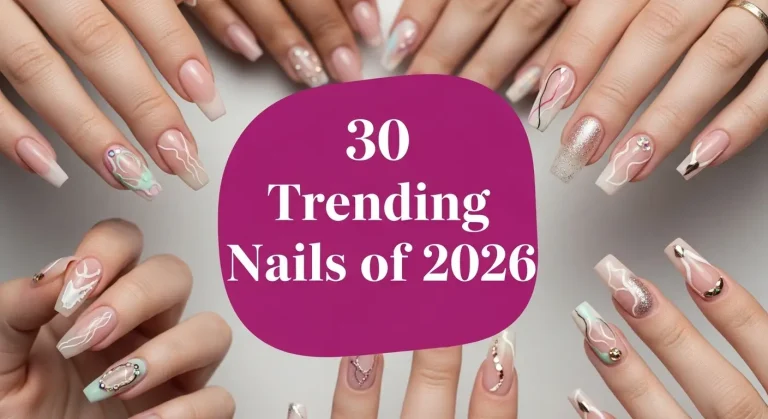
Micro French Nails vs. Classic Manicures: Which Should You Choose?
Micro French nails have become one of the most talked-about manicure trends in recent years. This ultra-refined take on a timeless look features a barely-there tip line that adds elegance without feeling overdone. But how does it stack up against the classic French manicure that has been a salon staple for decades? If you are trying to decide between the two, this guide walks you through the key differences so you can choose what works best for you.
What Are Micro French Nails?
Micro French nails are a minimalist version of the traditional French manicure. Instead of the bold white tip that most people picture when they think of French nails, the micro French uses a very thin, delicate line—sometimes just a millimeter or two wide. The tip can be white, off-white, beige, nude, or even a soft color like blush or lavender. The base of the nail is kept sheer or lightly tinted, allowing your natural nail to show through.
The look originated in high-fashion editorial circles and has since become popular in everyday wear. It works beautifully on short nails because the fine line does not compete with the nail bed. On longer nails, it creates a sleek, understated finish that feels polished without being loud. Many people who find traditional French manicures too stark or too retro are drawn to the micro version for its modern sensibility.
What Is a Classic French Manicure?
The classic French manicure features a clean, defined white tip and a sheer or light pink base. It has been a popular nail style since the 1970s and has appeared on red carpets, in bridal suites, and at professional settings for decades. The white tip is typically applied with a nail art brush, a tip guide strip, or a French manicure pen, and the width of the tip can vary from subtle to quite bold.
Classic French nails are versatile and widely recognized as appropriate for most occasions. They look equally at home at a formal event and a casual brunch. The style works across nail shapes, including square, oval, almond, and coffin. Gel and acrylic extensions built in the French style are also extremely popular for adding length while maintaining a neat, finished appearance.
Key Differences Between the Two Styles
1. Tip Width and Visibility
The most obvious difference is the width of the tip. A classic French manicure usually has a tip that ranges from two to five millimeters, making it clearly visible and intentional. A micro French tip is typically one to two millimeters or even less, creating a whisper-thin line that you almost have to look closely to notice. This subtlety is a major part of the micro French appeal.
2. Color Options
Classic French nails traditionally stick to white tips with a nude or pale pink base. Variations exist, but the white-on-nude combination is the defining look. Micro French nails open up more room for color experimentation. Tinted tips in soft greens, lilacs, warm taupes, and even metallic shades are all common in the micro French world. The smaller tip size makes it easier to wear unusual colors without the look feeling overwhelming.
3. Maintenance and Durability
Classic French manicures can show tip wear and chipping more obviously because the white tip is so visible. Any chips or lifting at the edge stand out clearly. Micro French tips, being so thin, can also chip, but damage may be less noticeable. In gel form, both styles last well, but the micro French is often considered slightly more forgiving on the grow-out because the fine line blends more naturally as the nail grows.
4. Nail Length Requirements
Classic French manicures work on medium to longer nails because you need enough tip space to apply that visible white line. Micro French nails truly shine on short nails. The thin line works with even the smallest amount of free edge, making this style ideal if you prefer keeping your nails short or if your nails tend to break easily.
5. Occasion and Dress Code
Both styles are considered appropriate across a range of occasions. That said, classic French nails carry more of a formal or polished connotation. They are a go-to for weddings, job interviews, and conservative workplaces. Micro French nails feel a bit more editorial and fashion-forward. They are equally appropriate for professional settings but also translate well to casual and creative environments.
Which Style Is Easier to DIY?
If you are doing your nails at home, both styles present their own challenges. The classic French requires a steady hand or the use of tip guides to get a clean, even white line. Getting the tips symmetrical on both hands can be tricky without practice.
Micro French nails are also precise, but the thin line means there is less room for wobbling and less area to fill in. Some nail artists find the micro style easier to freehand because the line is so small. However, because the line is so fine, any unevenness can stand out. Using a thin striping brush and a steady wrist will help. Stamping plates designed for fine lines can also make the process easier.
Cost at the Salon
At the salon, both styles are typically offered at similar price points. A classic gel French manicure usually runs between forty and seventy dollars depending on your location and the salon. Micro French nails may cost a bit more if your technician needs to take extra care with the precision of the line, but many salons price them the same. It is worth calling ahead to ask.
Which Should You Choose?
1. Choose micro French if you have short nails
The fine tip flatters short nails in a way a thick white tip simply cannot. It makes short nails look longer and more refined without any illusion tricks.
2. Choose classic French for formal occasions
If you are heading to a wedding, an interview, or any event where you want a look that reads as classically polished and recognizable, the traditional French manicure delivers that instantly.
3. Choose micro French for a modern everyday look
If you want something that feels elevated but not overdone, micro French is perfect for daily wear. It pairs well with any outfit and does not clash with jewelry or accessories.
4. Choose classic French if you prefer bold definition
If you like your nail tips to be clearly visible and you enjoy the classic contrast of white against a nude base, stick with the original. There is a reason it has stayed popular for fifty years.
5. Try micro French if you want color flexibility
The thinner tip is a great canvas for colored French options like blush, sage, or peach without looking too bold. This makes it easier to coordinate with your wardrobe or the season.
Both styles have real merit and both deserve a spot in your nail rotation depending on your mood, occasion, and nail length. The best approach is to try each one and see which feels most like you.